Auditing and Assurance Consulting Services for Businesses
From growing enterprises to established companies, every organisation benefits from maintaining reliable financial records and clearly defined internal procedures. Professional consulting support can help businesses understand their audit requirements, organise financial documentation, and develop practical approaches to financial reporting and risk management.
What Is Auditing and Assurance Consulting?
Auditing and Assurance consulting involves professional support related to financial reporting, audit preparation, internal controls, risk assessment, and assurance requirements. The scope depends on the organisation’s business structure, regulatory obligations, reporting framework, and specific objectives.
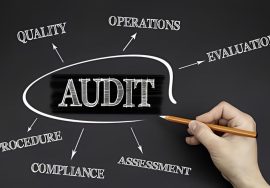
An audit generally involves examining relevant evidence to form an independent opinion or conclusion in accordance with the applicable standards. Assurance is a broader category that may cover financial statements, selected controls, non-financial information, and other matters assessed against suitable criteria.
Consulting support may help businesses prepare for an audit, improve accounting procedures, understand identified weaknesses, and implement appropriate corrective measures. Consulting advice is distinct from an independent audit opinion, and any statutory audit must meet the applicable independence and professional requirements.
Why Businesses Need Auditing and Assurance Consulting
As businesses expand, their financial transactions, reporting responsibilities, and operational processes can become more complex. Without appropriate controls and documentation, management may find it difficult to identify discrepancies, evaluate financial performance, or respond to compliance requirements.
Professional consulting can help businesses address these challenges through a structured and practical approach.
Improved financial reporting: Reviewing accounting processes can help identify inconsistencies, documentation gaps, and areas where reporting procedures need improvement.
Internal control assessment: Evaluating approval processes, reconciliations, recordkeeping, and financial responsibilities can help management understand potential control weaknesses.
Risk identification: A structured assessment can highlight areas requiring additional monitoring, investigation, or corrective action.
Audit readiness: Organising financial records and preparing supporting documentation can help businesses respond more efficiently to audit requests.
Regulatory awareness: Consulting can help management understand relevant reporting and compliance obligations, subject to the applicable laws and the engagement’s scope.
Better management decisions: Clearer financial information supports budgeting, performance analysis, resource allocation, and business planning.
Our Auditing and Assurance Consulting Services
1. Audit Planning and Preparation
Effective audit preparation begins with understanding the organisation’s reporting obligations and identifying the records needed for the engagement. Consulting support may include reviewing documentation, preparing schedules, organising financial information, and coordinating responses to audit queries.
This preparation can help reduce avoidable delays and make the audit process more organised. It does not replace the auditor’s independent procedures or guarantee a particular audit outcome.
2. Financial Reporting and Accounting Review
Reliable financial reporting depends on consistent accounting practices and adequate supporting evidence. A financial reporting review can examine selected accounting entries, reconciliations, expense classifications, revenue records, and balance-sheet schedules.
The objective is to identify potential inconsistencies and recommend practical improvements. The precise work performed depends on the agreed scope and the applicable accounting framework.
3. Internal Audit Consulting
Internal audit consulting focuses on evaluating selected business processes, internal controls, and risk management practices. Depending on the organisation’s requirements, reviews may cover procurement, expenditure approvals, inventory management, payroll, financial reporting, or other operational activities.
Findings can help management prioritise control improvements, clarify responsibilities, and establish more consistent procedures.
4. Statutory Audit Coordination
Businesses may need to understand their statutory audit obligations and prepare the information required for the relevant reporting period. Consulting support can help management organise records, coordinate information requests, and track outstanding documentation.
For companies in India, statutory audit obligations are governed by applicable provisions of the Companies Act, 2013, and related requirements. Eligibility, exemptions, appointment procedures, and reporting obligations must be assessed according to the entity’s circumstances and current law.
5. Tax Audit and Compliance Support
Certain taxpayers may be required to undergo a tax audit under applicable income-tax legislation. Consulting support can help organise tax-related records, reconcile relevant financial information, and identify documentation that requires attention.
In India, tax audit requirements under Section 44AB of the Income-tax Act, 1961, depend on the applicable conditions, thresholds, and exceptions. Businesses should verify the rules relevant to their financial year and tax position before determining their obligations.
6. Risk Assessment and Internal Controls
Weak internal controls can make it harder to detect errors, prevent unauthorised transactions, and maintain consistent financial records. A risk-focused review examines selected processes to identify areas where additional checks or clearer responsibilities may be appropriate.
Recommendations may include stronger approval procedures, periodic reconciliations, documented workflows, access controls, and improved monitoring practices. The objective is to help management make proportionate improvements based on the organisation’s risks and resources.
7. Compliance and Process Improvement Consulting
Compliance responsibilities may arise from company law, taxation rules, industry-specific regulations, contractual requirements, and internal policies. Consulting can help businesses map relevant obligations, organise compliance records, and develop procedures for monitoring deadlines and responsibilities.
The scope should be clearly defined because no single engagement automatically covers every legal or regulatory obligation affecting a business.
Our Approach to Auditing and Assurance Consulting
A practical consulting engagement should be structured around the organisation’s needs rather than relying on a generic checklist.
Step 1: Understand the business
Review the organisation’s activities, reporting structure, existing accounting practices, and stated objectives.
Step 2: Identify requirements and risks
Determine the relevant reporting obligations, areas of concern, documentation needs, and agreed scope of work.
Step 3: Review available information
Examine the records and process documentation relevant to the engagement. Identify inconsistencies or information gaps that require further attention.
Step 4: Develop practical recommendations
Prioritise findings according to their significance and recommend appropriate improvements to reporting procedures, internal controls, or documentation practices.
Step 5: Support implementation
Where included in the engagement, assist management with action plans, responsibilities, timelines, and documentation of corrective measures.
Step 6: Review progress
Evaluate the status of agreed actions and identify matters that may require additional review or professional attention.
The nature of the work and the final deliverables should be agreed upon in advance. Independent audit conclusions remain the responsibility of the appointed auditor.
Common Auditing and Assurance Challenges
Businesses may experience difficulties when accounting records are incomplete, financial responsibilities are unclear, or documentation is not maintained consistently.
Common challenges include:
- Differences between bank statements and accounting records.
- Missing invoices or supporting documents for transactions.
- Inconsistent classification of revenue and expenses.
- Delays in preparing financial schedules and reconciliations.
- Weak approval procedures or unclear responsibility for financial activities.
- Difficulty tracking compliance deadlines and reporting requirements.
- Recurring control weaknesses that have not been addressed.
A well-defined consulting process can help management understand these issues and decide which improvements should be prioritised. Regular reconciliations, organised records, documented procedures, and timely communication can also support a more efficient audit process.
Who Can Benefit from Auditing and Assurance Consulting?
Auditing and Assurance consulting may be relevant to a wide range of organisations, including:
- Private limited companies: Businesses seeking support with financial reporting, statutory audit preparation, and internal control reviews.
- Small and medium-sized enterprises: Organisations working to improve accounting discipline, documentation, and financial oversight.
- Startups and growing businesses: Companies establishing financial procedures and preparing for more complex reporting requirements.
- Established enterprises: Organisations reviewing existing controls, reporting processes, and operational risks.
- Management teams and business owners: Decision-makers who need clearer financial information and a structured approach to addressing identified weaknesses.
The appropriate service depends on the organisation’s circumstances, statutory responsibilities, and desired outcomes.
How to Choose an Auditing and Assurance Consulting Provider
Choosing a suitable provider requires more than comparing fees. Businesses should evaluate relevant professional qualifications, experience with the applicable reporting framework, understanding of the industry, confidentiality practices, and clarity of the proposed engagement.
Before proceeding, discuss the scope of work, expected deliverables, timelines, fees, responsibilities, and reporting arrangements. Where an independent audit is required, confirm that the appointed auditor meets the applicable eligibility and independence requirements.
Clear communication at the beginning of an engagement helps both parties understand the work to be performed and the limitations of the conclusions that can be drawn.
Frequently Asked Questions
What is the difference between auditing and assurance consulting?
Auditing involves examining evidence and reporting a conclusion under an applicable audit framework. Assurance covers a broader range of engagements that provide confidence in specified information. Consulting focuses on advice, preparation, assessment, or process improvement and does not automatically constitute an independent assurance engagement.
Is Auditing and Assurance consulting mandatory for every business?
Consulting is not universally mandatory. However, some businesses are subject to statutory audit, tax audit, or other reporting obligations. The applicable requirements depend on the entity, its circumstances, and current legislation.
Can consulting help a business prepare for an audit?
Yes. Depending on the agreed scope, consulting support can help organise financial records, prepare reconciliations, identify missing documentation, and coordinate responses to information requests. The independent auditor remains responsible for conducting the audit and forming the audit opinion.
What documents may be needed?
Typical documents include financial statements, general ledgers, bank statements, invoices, contracts, tax records, payroll information, reconciliations, and supporting schedules. The exact list depends on the engagement and the records being examined.
How often should internal controls be reviewed?
The frequency depends on the organisation’s risk profile, transaction volumes, regulatory requirements, and operational changes. Reviews may be scheduled periodically or triggered by significant changes, recurring issues, or identified risks.
Strengthen Your Financial Processes with Auditing and Assurance Consulting
Strong financial processes help businesses maintain reliable records, understand their reporting responsibilities, and make better-informed decisions. A clearly defined Auditing and Assurance consulting engagement can help identify documentation gaps, assess selected internal controls, and develop practical recommendations suited to the organisation’s needs.
If your business is reviewing its audit readiness, financial reporting procedures, or internal controls, start by identifying the specific challenges you need to address. Discuss your requirements with a suitably qualified professional to determine the appropriate scope of support and the applicable reporting obligations.
Take the next step towards more organised financial reporting and stronger internal processes by exploring an Auditing and Assurance consulting engagement tailored to your business.